
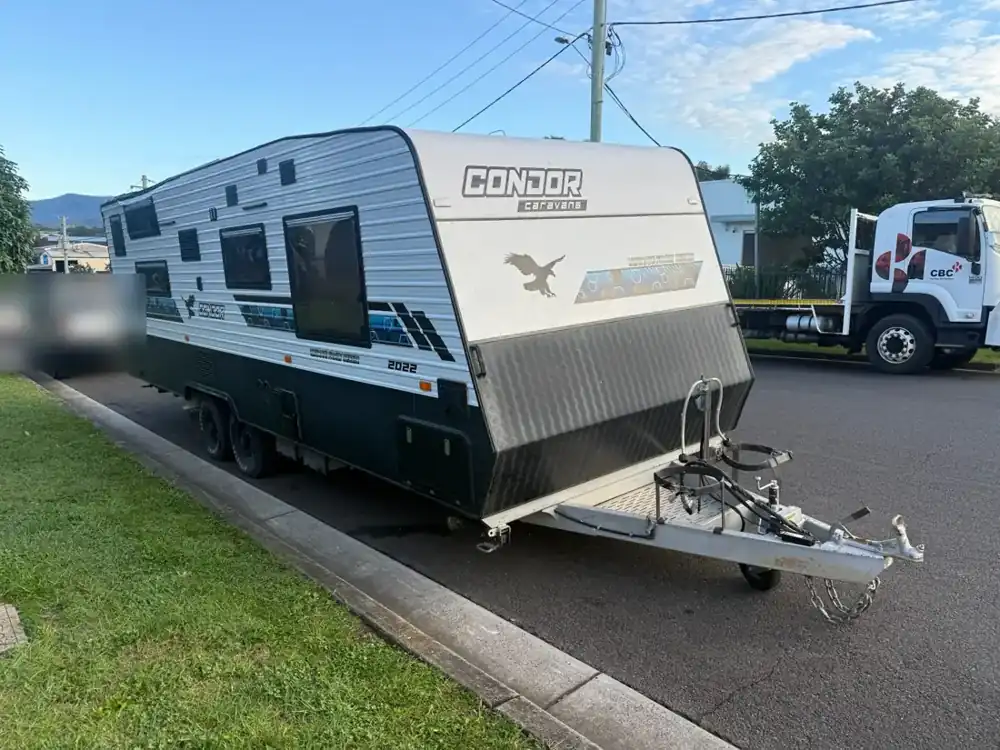
The rule of thumb: ship it empty and clean
An empty vehicle is quicker to check at the terminal, quicker through MPI biosecurity in New Zealand and less likely to be held. If you want to send anything inside the vehicle, ask before you book: carrier and destination rules differ, and we'll check them for your shipment.
Usually stays with the vehicle
- Spare wheel, jack and wheel brace
- Owner's manual and service book
- Fixed fittings: tow bar, roof racks, canopy (add them to the dimensions)
- One set of keys, handed over at receival
Take it out before receival
- All food, drinks and pet food
- Plants, seeds, firewood and anything with soil on it
- Outdoor gear: camping chairs, mats, hoses, bikes, fishing gear
- Valuables, documents and electronics
- Your tolls tag
Caravans and motorhomes
- Empty the fridge, pantry and every cupboard, then vacuum throughout.
- Drain the fresh, grey and black water tanks and the toilet cassette.
- Tell us about gas bottles when you book; the shipping line's rules apply.
- Clean the awning, roof, solar panels and external lockers.
On the day
- Keep fuel low. The shipping line sets a limit and we'll confirm it with your booking.
- Photograph every side, the roof, the interior and the odometer.
- Arrange your marine transit insurance before collection.
Use the printable pre-shipment checklist and the caravan cleaning checklist to work through it.
Packing questions
Can I pack my car with belongings?
Plan to ship it empty. Carriers limit what can travel inside a vehicle, and anything inside is inspected on arrival. If you want to pack something, ask Nick before you book.
What happens if MPI finds something?
Food, plants, soil or insects mean the vehicle is held for cleaning or treatment at your cost before it's released. An empty, clean vehicle clears fastest.
Should I leave the tolls tag in?
Take it out. It's yours, it isn't needed overseas, and it can keep charging while the car moves through the port.